Overall Summary
Microsoft Ignite 2025 made one thing clear: we are entering the era of agentic AI at enterprise scale. Across every session—engineering, software development, government, and media—the message was the same: AI agents are becoming the new digital workforce, bridging systems, automating decision-making, and operating with observability, governance, and shared intelligence layers. Microsoft is standardizing the ecosystem with Foundry, Fabric, Work IQ, and an increasingly mature Copilot Studio—moving businesses from “AI-enabled tasks” to AI-operated systems.
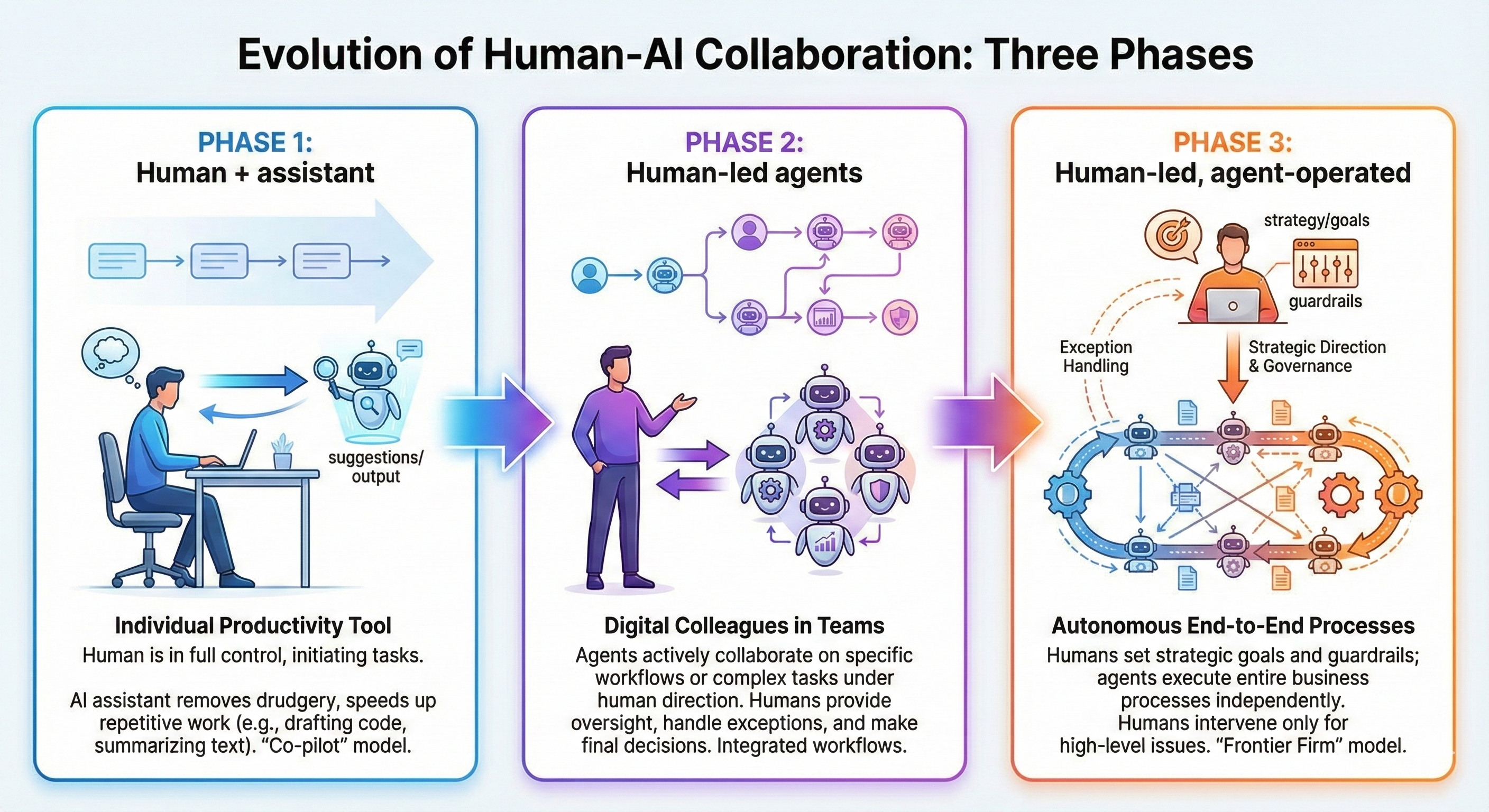
I attended several sessions (8 and counting) and almost every session presented a similar flavor of the following 3-step AI adoption framework: Human + assistant → human-led agents → human-led, agent-operated systems.
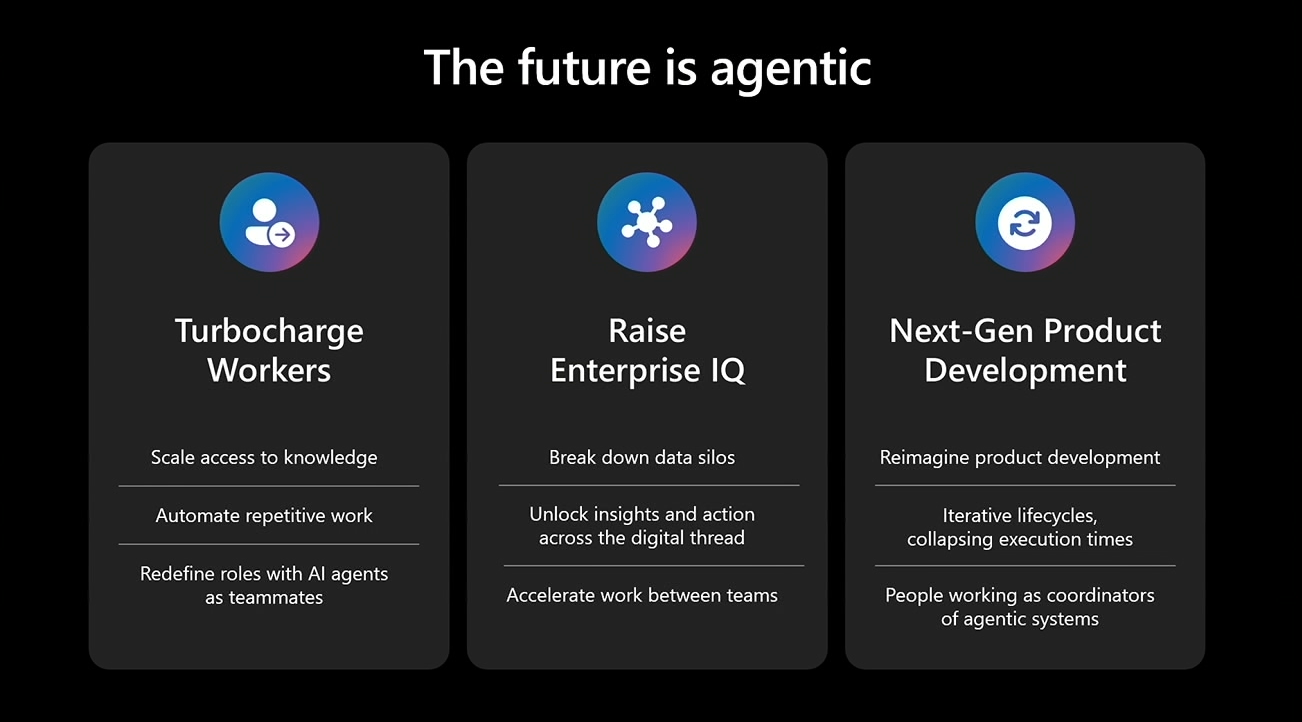
The entire keynote and every breakout hammered the same message: we are in the middle of the shift from task automation → workflow automation → systems automation. The demo that resonated the most for me: an agent reading an incoming “out sick” email, finding coverage, updating the schedule, and notifying the manager — entirely autonomously. Just a few years ago I was part of team building a mobile scheduling app for employees to view their schedule, update availbility, and swap shifts. This enhanced restaurant operations and made life easier for restaurant managers. But this is taking it to a whole new level with automation. I can see how this can enable a manager that oversees 1 or 2 units to be able to scale to 4-5 units and/or focus on quality and customer service. Either why this is a big win for organizational growth.
Real Life Use Cases! By now, everyone knows AI can do a lot; it’s very powerful and potentially very dangerous. But a lot of people do not understand how to connect the dots between the technology capability and how it can be stitched into business processes to increase value. This conference was excellent at providing real use cases from Frontier firms. Here are a few that stood out to me:
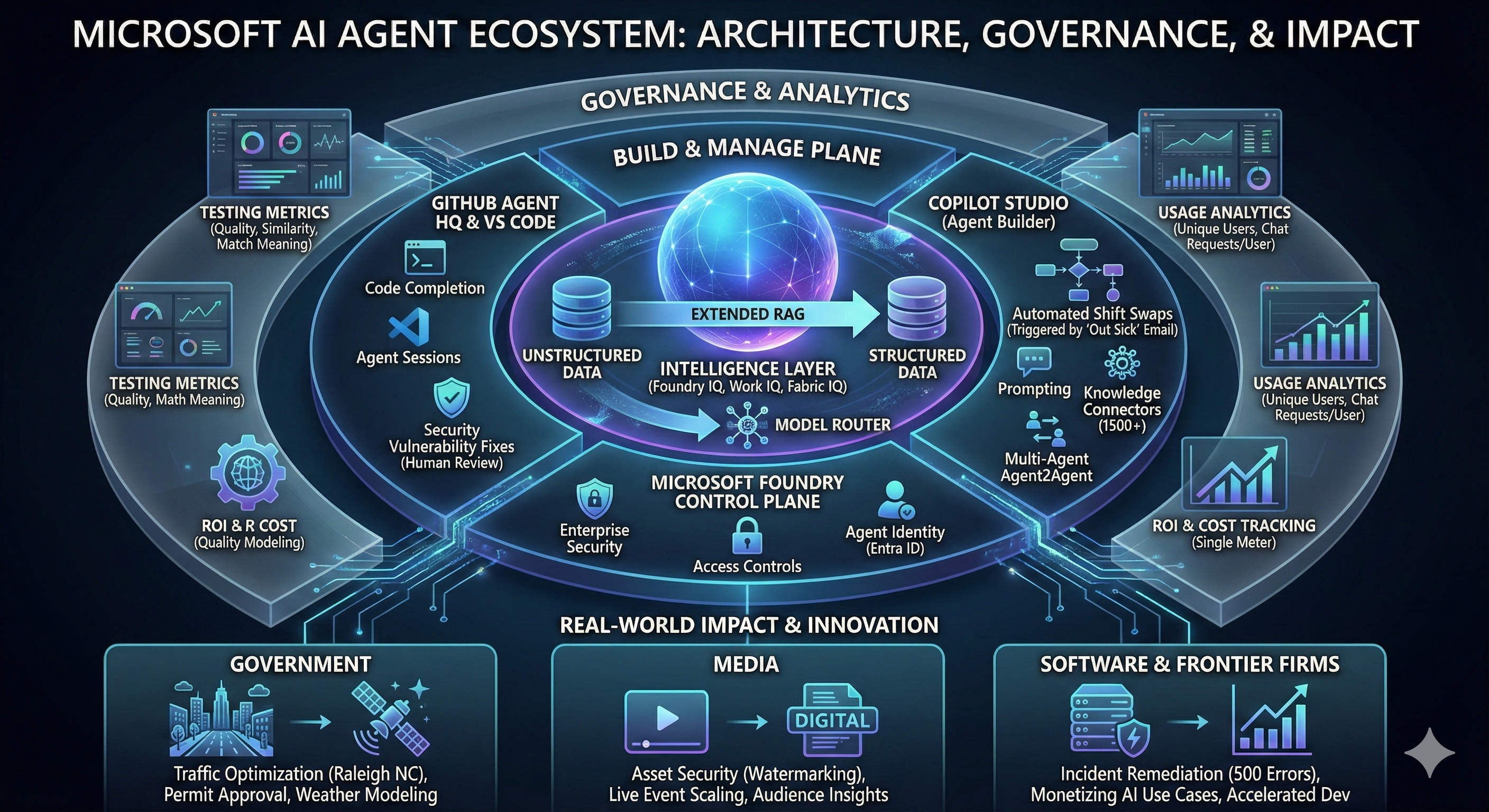
- Labor Schedule Manager Agent - Create an app using App Builder. Create a flow using Copilot Studio for shift swaps. Those that work in customer service know about shift swaps. The Agent automatically scans emails. An “out sick” email from an employee is a trigger to automatically offer that employee’s shift to another employee that is not scheduled and unavailable. This happens without the Manager having to read the email and ask other employees to cover. Once another employee responds and accepts the available shift, then the Manager is notified.
- Lots of GitHub agents - Agents can be configured to specialize in specific domains such as UI, Security, etc. For example, if users are attempting to access a webpage and there are multiple 500 errors, then an Incident can get created automatically. An Incident Remediation Agent that specializes in that domain can immediately start working that incident, and using it’s knoweldge sources, investigate to find the issue. Let’s say the agent identifies CPU was at 100% so it’s a resource issue. Then the agent can automatically scale up resources, then test and verify the issue is resolved. All steps are summarized and now CPU is at 50%.
- Security Copilot Agent - The agent autonomously fixes vulnerabilities and provides a recap for the team to review.
- Manufacturing organizations are using AI for predicitive intelligence by auto-completing sketches, creating concepts, “roughing” parts. Results include shortened workflow cycles, less manual work, delayed prevented, rework prevented, more flexibility and customization, seamless integration across workflows.
- Local Government is using AI for RFP generation (using data connectors to incorporate 311 and 911 calls and street conditions), proccessing Federal legislative requirements, improvements to benefit enrollment, permit approvals, Medicaid, and food assistance. There was a nice quote from the SF HHS Chief: “Anytime someone is sifting through a policy manual, that’s an opportunity”.
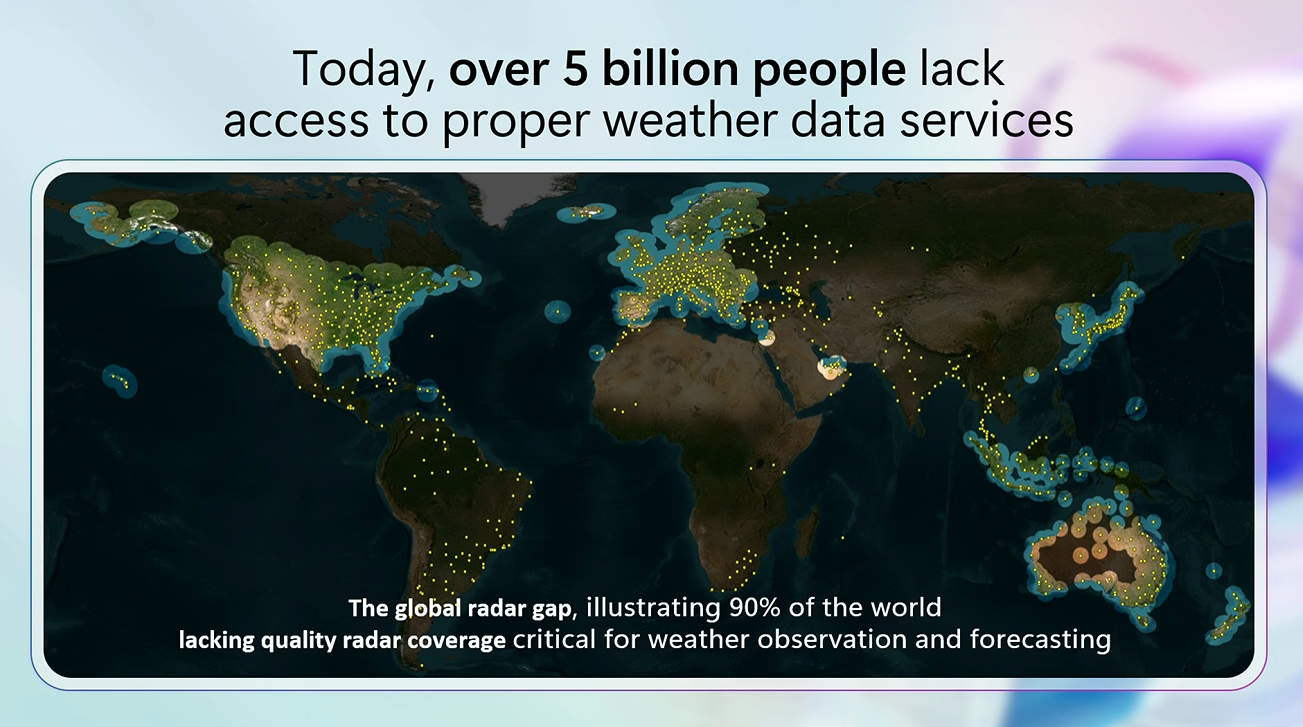
- Weather Modeling - Traditionally weather modeling and forecasts use stale data. By using AI, current data from constellation satellites is leveraged for more actionable insights. This is huge for many parts of the world where governments lack systems and protocols to deal with weather events and ensure citizen safety.
- GIS Technology - AI solution using historical traffic patterns and real time data (street cameras, Nvidia deep stream). Esri is able to see everything going on in a city, just like in the movie Eagle Eye. There’s alerts for incident like when a car is stalled. The data is mined to develop solutions that benefit vehicle traffic, pedestrians, and cyclists. This is helping Raleigh, NC as they experience a significant population increase.
- Media companies are using AI to apply forensic pixel-level watermarking to digital assets. This safeguards against thefts using AI to remove watermarks at the surface layer. Furthermore the watermarks that are applied visually are done contextually to optimize appearance and security.
Top 3 Takeaways
AI Agents Are Becoming First-Class Digital Team Members
Agents now have identities, can be @mentioned on Teams and included in group chats, follow workflows, talk to other agents, use tools, reason over enterprise knowledge, and even operate a computer using vision. From GitHub incident remediation to government permitting and media asset management, agents are no longer assistants—they’re operators. Human users can do more too such as inject more context while the agent is working for enhanced real-time collaboration.Observability and Governance Are the Real Differentiators
Every session emphasized visibility across the entire agent ecosystem. Microsoft is betting big on control planes, registries, metrics, and ROI tracking. As a Product Manager, this is gold. They talked single-pane observability across all agents (Agent 365 Control Plane), session replay, credit consumption, time/cost savings, theme analysis, and business impact dashboards. Manus AI (pharma customer) is already saving 90,000 researcher hours per year.The shift is from judging individual agent interactions to evaluating the health of the entire agent-driven system — “Don’t measure the gardener, measure the garden.”
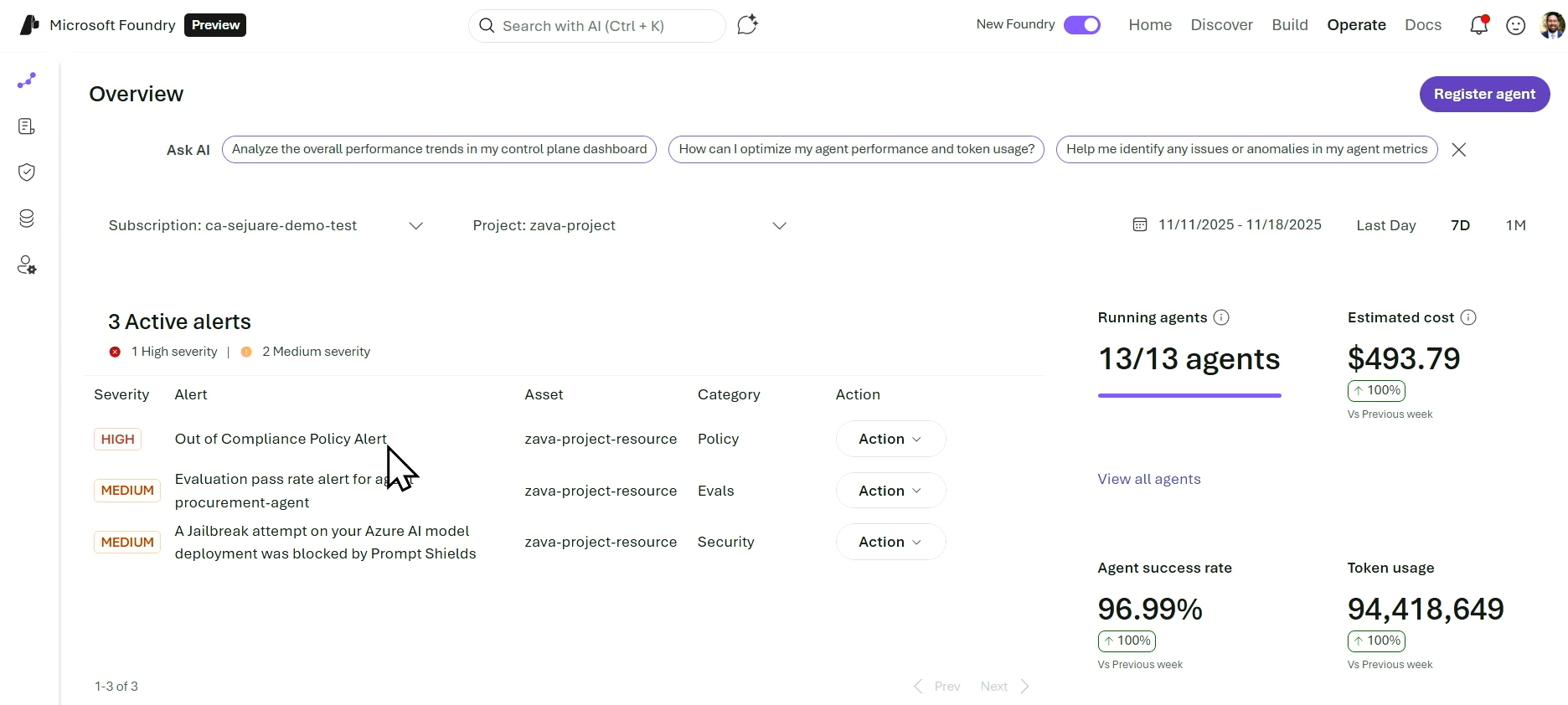
Also, the testing features in Copilot Studio are powerful. There’s 3 test methods: Quality (match meaning), Similarity (how close agent response is to expected response, but meaning may differ, Match (agent matches expected response completely). Then there’s an ability to compare side by side using different prompts, model versions, and iterations to see what improved.
- Open Ecosystems and Standardized Frameworks Are Unlocking Multi-Agent Workflows
Semantic Kernel, AutoGen, MCP, and the Microsoft Agent Framework are breaking down silos between SDKs, enabling multi-agent orchestration, long-running workflows, and secure tool access. Fabric IQ, Foundry IQ, and Work IQ provide the shared intelligence layer that lets agents reason consistently across an organization.
Item to Dig Deeper Into
Agent Builder, Copilot Studio and Microsoft Foundry — Copilot Studio + Foundry + MCP = the stack Microsoft wants every enterprise (and every government agency) to build on. I’m especially interested to test the “Code Interpreter” and “Computer Use” tools. The live demo of an agent using screen understanding to fill out a legacy invoice web form (navigating pop-ups, typing, clicking submit, then sending a confirmation email) was really impactful. This is real Anthropic-style computer use, but shipped inside Microsoft 365. I want to build a proof-of-concept that automates a painful internal approval workflow that still lives in a 15-year-old SharePoint app.
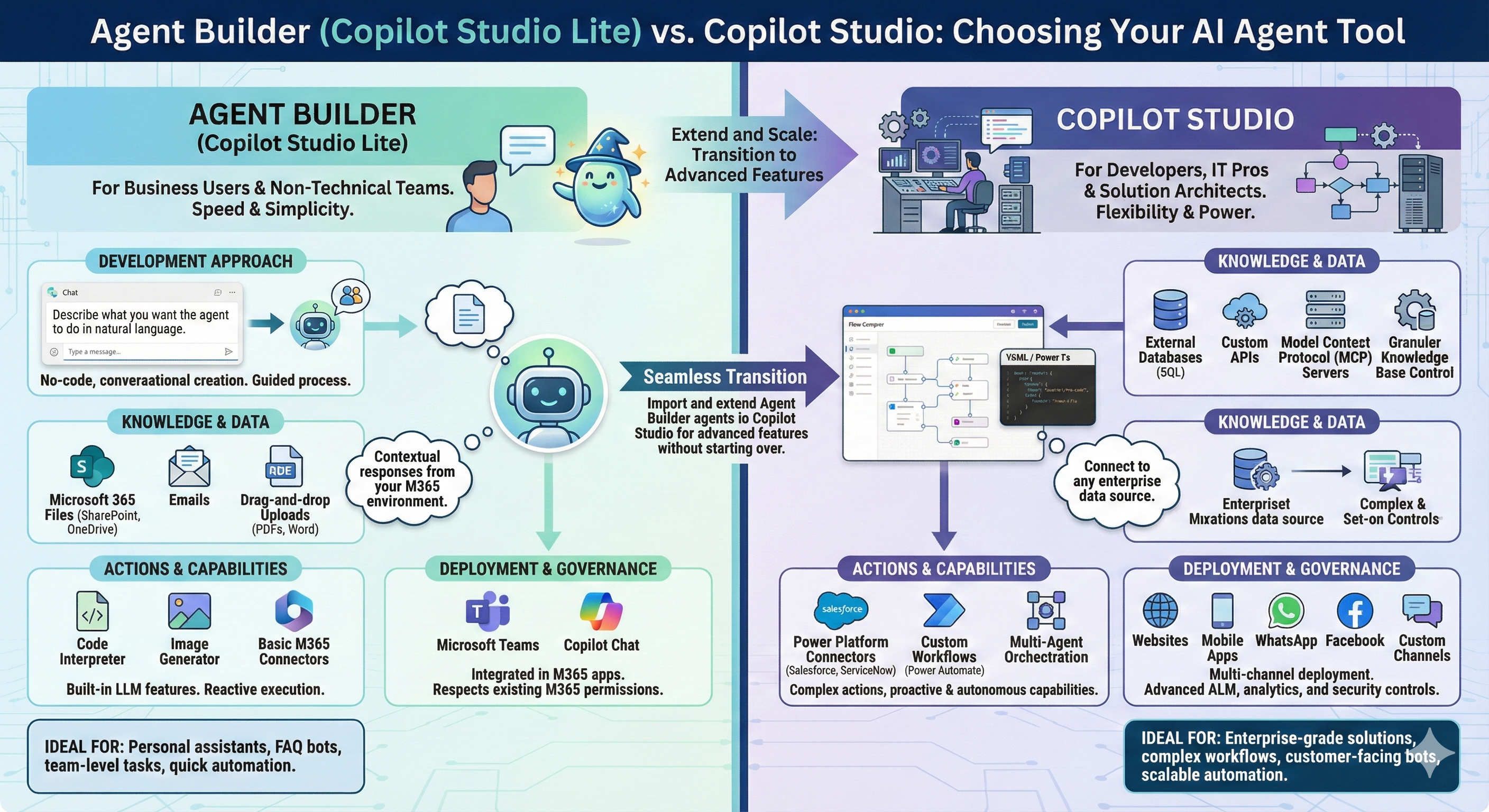
Microsoft has effectively built the enterprise-grade agent factory: secure by default, observable, governable, and already running at massive scale inside Fortune-500 and government customers. The message was clear — if you’re still building traditional apps without agents in 2026, you’re going to be outrun by those who are.